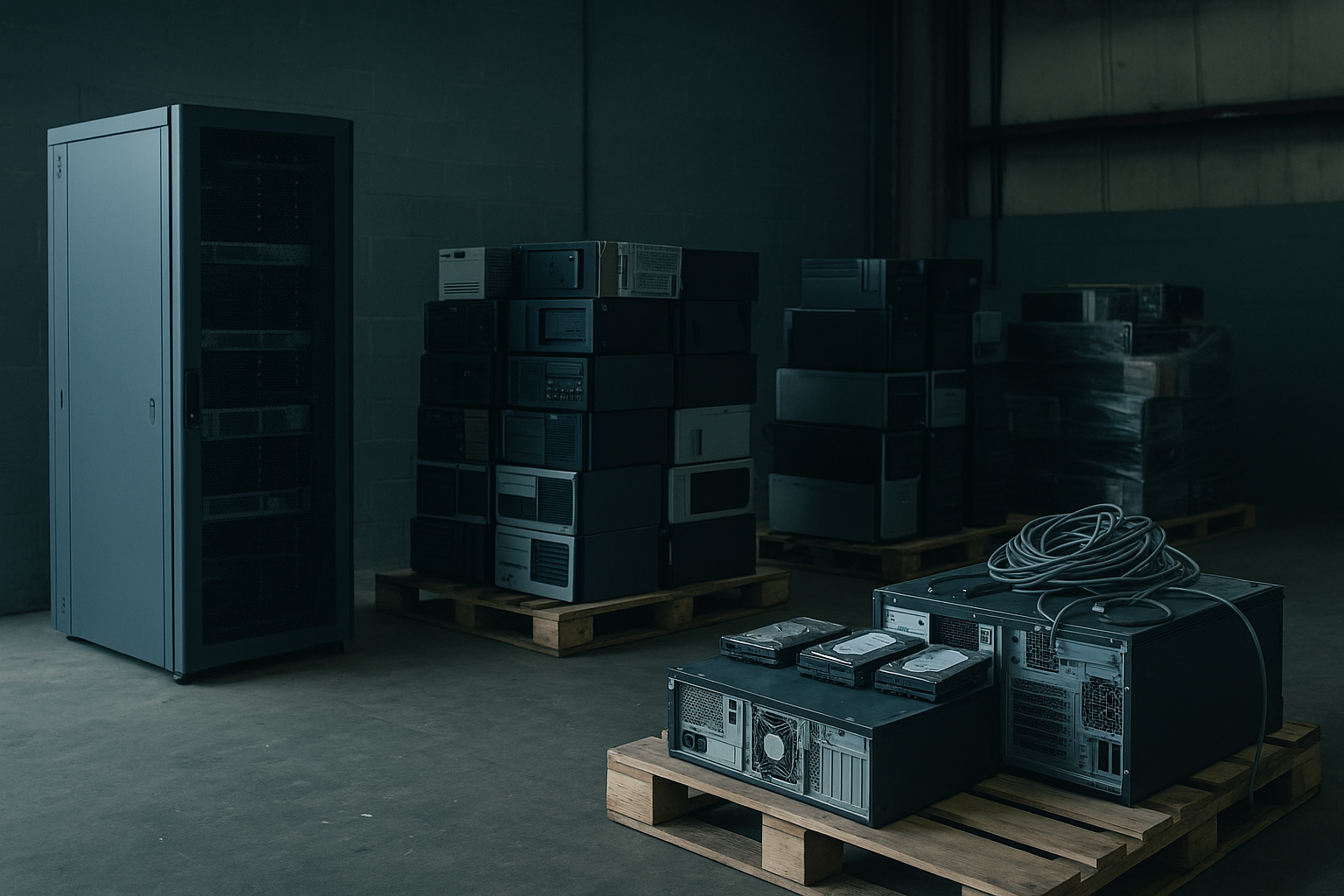
Navigating Electronics Disposal at St. Lucie County's Drop-Off Facilities
St. Lucie County offers a convenient drop-off location for household electronic waste, but understanding what's accepted, and what's not, is crucial for businesses looking to dispose of redundant IT assets responsibly.
E-waste disposal can be intricate, especially for firms managing large quantities of electronic waste. Efficient management is essential to ensure compliance with local regulations and to reduce environmental impact. Here's a guide to help you understand what the St. Lucie County drop-off facility accepts and what it turns away, which can be especially pertinent for office managers and IT leads.
Accepted Items at St. Lucie County Drop-Off
St. Lucie County’s household hazardous waste facilities provide a valuable service to residents by offering a way to dispose of unwanted electronics safely. However, it's important to know what's welcome at the facility to avoid any inconvenience or missteps.
The facility typically accepts the following:
Computers and Laptops: These include all components associated with desktops and laptops, such as CPUs, monitors, keyboards, and mice. It’s a great opportunity to clear out redundant or outdated systems cluttering your office.
Small Office Equipment: Printers and fax machines are accepted. However, ensure that all ink cartridges or toners are removed beforehand, as these require separate handling.
Miscellaneous Electronics: These include personal electronic devices such as tablets, cell phones, and chargers, which are frequently disposed of during office upgrades or cleanouts.
Batteries: Some batteries, such as those found in laptops or wireless office devices, are accepted.
Knowing these items are accepted, you can efficiently plan your e-waste disposal, ensuring that these materials are responsibly recycled.
Items Rejected at St. Lucie County Drop-Off
While the county accepts a variety of items, several electronic waste products are not accepted. These restrictions are generally due to handling complexities or hazardous material concerns.
Typically rejected items include:
Large Appliances: Devices like refrigerators, ovens, and large office equipment are not accepted. They often require special handling and should be directed to commercial disposal services.
Certain Hazardous Electronics: Items containing hazardous materials, such as mercury-containing thermostats, are typically non-eligible for regular drop-off. It's crucial to verify specific hazardous electronic components that are not accepted by the facility.
Non-Electronic Waste: Any non-electronic components or office waste will be rejected. It's essential to pre-sort your waste to avoid complications at the drop-off point.
For large-scale, non-eligible waste disposal, consider working with specialized business recycling services. They can handle bulk quantities and more complex e-waste materials.
Streamlining Your E-Waste Strategy
If your business frequently needs to dispose of electronic waste, relying solely on county services may not suffice. For comprehensive solutions tailored to the commercial sector, consider engaging with professional e-waste removal services. Specialized companies offer secure data sanitation and IT asset disposition (ITAD) services, ensuring that your devices are handled according to industry standards and environmental regulations.
Our business recycling services provide you with flexibility and expertise, covering everything from secure data destruction to large-scale equipment decommissioning. Based in the heart of the Treasure Coast, our Port St. Lucie location is poised to assist businesses across the region, offering convenient and reliable solutions. Visit Port St. Lucie facilities to learn more about our offerings.
Conclusion
Proper e-waste management is vital to maintaining compliance with local regulations and promoting sustainability within your organization. While St. Lucie County’s drop-off facilities provide a valuable resource, understanding what is accepted and rejected can streamline your process. For comprehensive disposal needs, especially those involving large volumes or specialized items, utilizing a professional e-waste removal service may be the most efficient and compliant choice.
With thoughtful planning and the right partnerships, managing your electronic waste can be straightforward and stress-free, allowing you to focus on what matters most to your business.